


Thank you for Subscribing to Med Tech Business Review Weekly Brief

Alcon
Eric Huang, Engineering Manager
Bridging Production and Automation
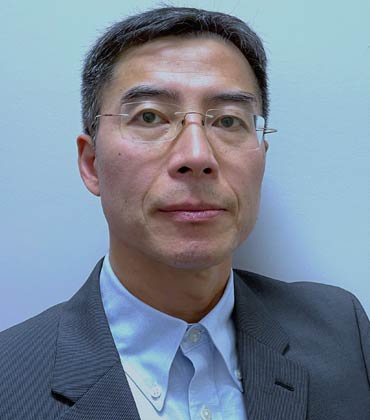
Eric Huang
We were confident that our automation would be built perfectlyafter we had provided all the CAD drawings, models, and the actual injection molded parts to a top-notch vendor. The day we took over the machine at our lab, I thoughtthat once I started the process, I could go and get a coffee; after my coffee chat, all the parts would be ready for me on the shining trays in a mobile cart.
It turned out that I could not even walk out for one step.The station where the parts were placed from the suction cup to the butterfly unit got stuck very quickly. I moved to the location where I could have a good view of the process, and then I noticed that one part was not fully seated and pulled up again by the suction cup. A thought flashed through my mind: the parts were hot from the molding machine, while the suction cup was designed according to the cooled part. No wonder the clearance was reduced too much and not able to provide a clear drop. By enlarging the suction cup's inside diameter, I thought now it would have no more problems. But I was wrong. When I started my DOE, eagerly making changes and adding hundredsof bars on hold pressure, then the same problem came again. I patted my head; how could I forget that the hold pressure increase would make the parts larger?A design review meeting should not be a one-time deal; a continuous conversation could help optimize the design along the way.
The articles from these contributors are based on their personal expertise and viewpoints, and do not necessarily reflect the opinions of their employers or affiliated organizations.
